

4.5 Trillion Littered Cigarettes
The Dirtiest Little Secret in the Litter World, and the Brands Turning It Around

Every year, approximately 4.5 trillion cigarette butts are discarded across the planet. They end up in gutters, on beaches, pressed into pavement cracks, floating in rivers. They are, by volume and by count, the single most littered item on Earth, and yet they barely register in the mainstream conversation about pollution.
Cigarette filters: the soft white tip smokers press to their lips which are not cotton. They are made of cellulose acetate, a form of plastic. Each one is a single-use plastic product, designed to be discarded after one use, manufactured at a scale that dwarfs every other single-use plastic combined.
To put 4.5 trillion in context: if you laid every cigarette butt discarded this year end to end, they would circle the Earth more than 800 times.

The non-profit Ocean Conservancy has recorded cigarette butts as the single most collected item in its annual International Coastal Cleanup for more than three decades running — more than bottles, more than bags, more than food wrappers, every single year without exception.
Founded in India in 2018 by two brothers, what started as a modest experiment has scaled into something extraordinary. Code Effort today collects roughly two tonnes of cigarette waste every day through a network of dedicated disposal bins, cigarette vendors and waste pickers.

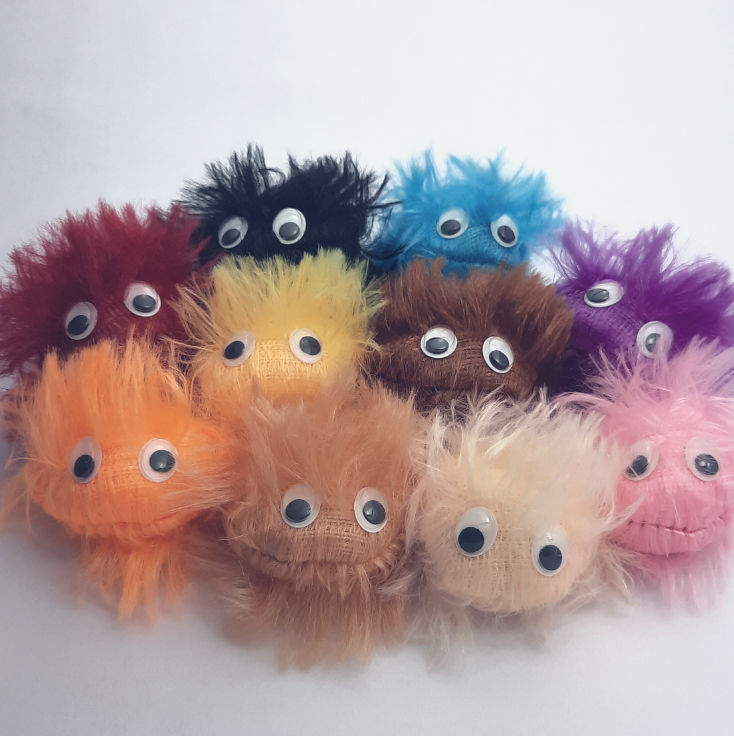
At their factory, an all-woman team manually separates the butts into fibre, paper and remnants, the fibre is cleaned and bleached with organic chemicals that neutralise its toxins, producing a white stuffing material used in soft toys and pillows, while the tobacco is composted and the paper pulped and mixed with organic binders to create burnable mosquito repellent.

Code Effort engages more than 2,000 people from economically poor sections of society, giving them the means to make a living as waste collectors while contributing to the sustainability of the planet — making it simultaneously an environmental intervention, a public health initiative, and a social enterprise.
The image of a brightly coloured toy bear, sitting on a shelf, stuffed with the cleaned and processed remnants of cigarette butts collected from the streets of New Delhi, is one of the more quietly radical things happening in recycling right now.

Creating a collection scheme targeting the hospitality industry (pubs, bars, and clubs) which generate disproportionate volumes of cigarette waste - partnering with venues to install collection receptacles and handle the logistics of sending material to processing facilities.
The recovered plastic has been transformed into outdoor furniture, including benches installed in some of the same public spaces where butts were originally being dropped.

Researchers at RMIT (Australia) demonstrated that fired-clay bricks containing just 1% recycled cigarette butt content possess strong performance properties, and have since devised a plan to unite the brickmaking and waste management industries to enable large-scale implementation of cigarette butt recycling in brick manufacturing.

Why This Matters Beyond the Object Itself
We regulate based on visibility. Plastic bags are large and dramatic, they billow from trees and fill photographs beautifully. Cigarette butts are small and ubiquitous, which makes them effectively invisible despite existing at a scale that dwarfs every other litter category. The same dynamic plays out across pollution, emissions, and waste - what gets addressed is rarely what causes the most harm. It's what makes for the most compelling image.
Wildfash exists, in part, to correct for that. To find the stories that aren't getting the attention they deserve, and to tell them in a way that actually makes you feel something.


Comments